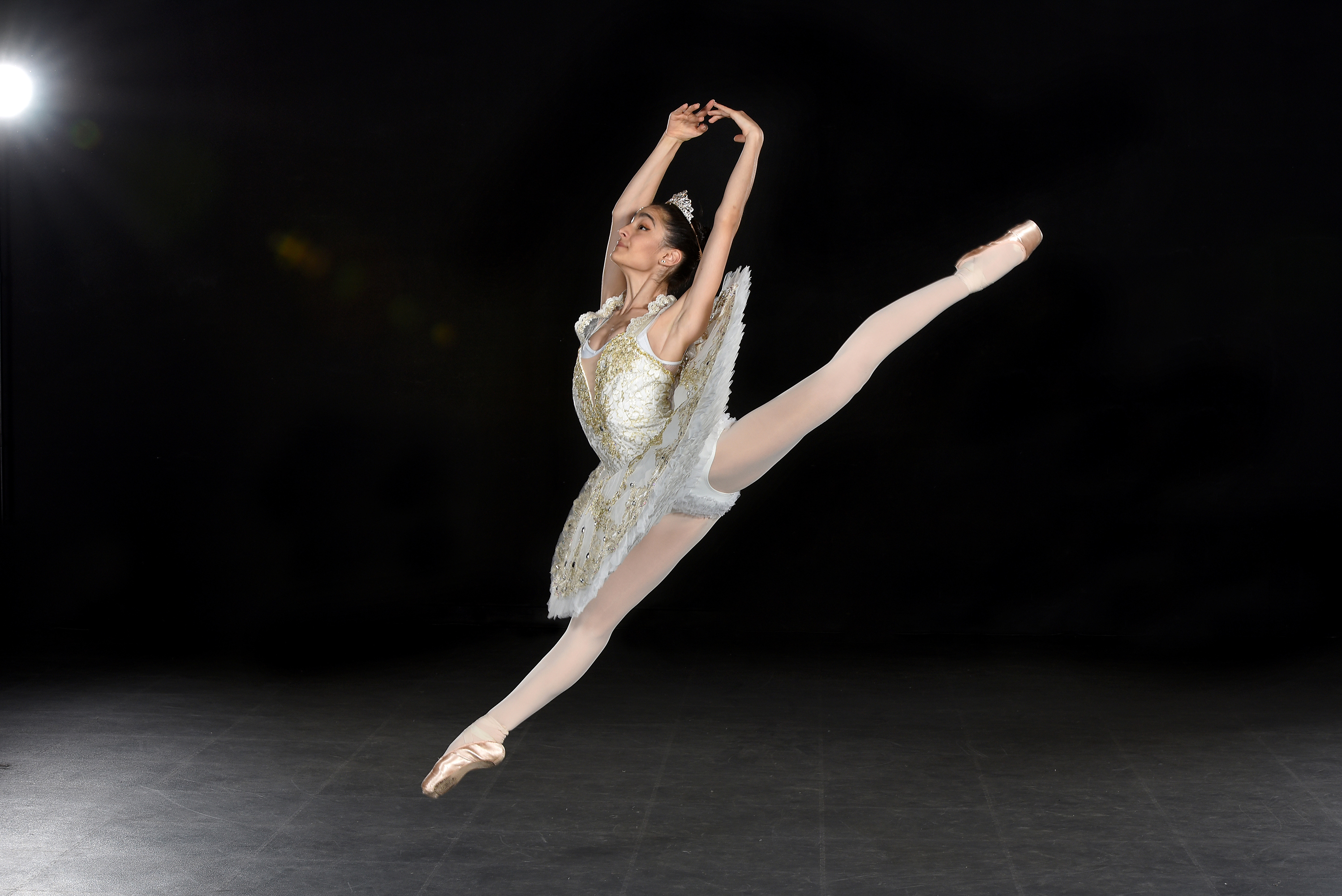
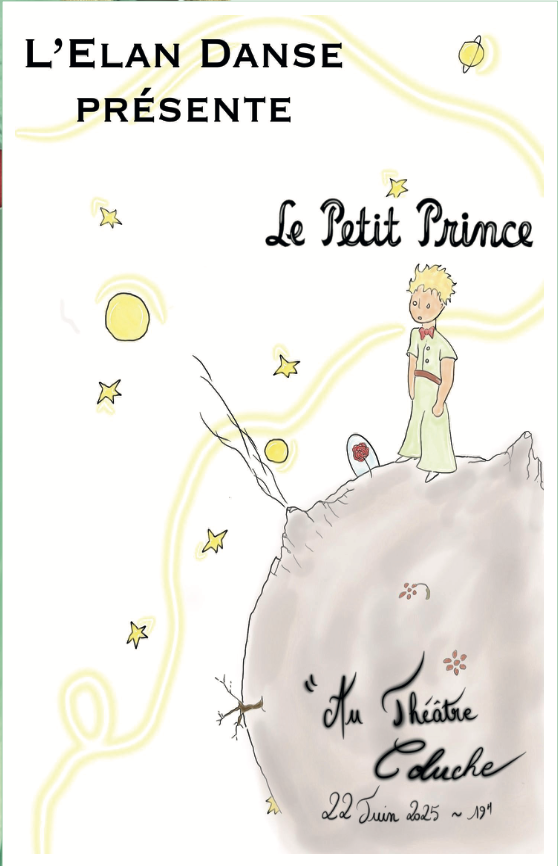
The Little
Prince
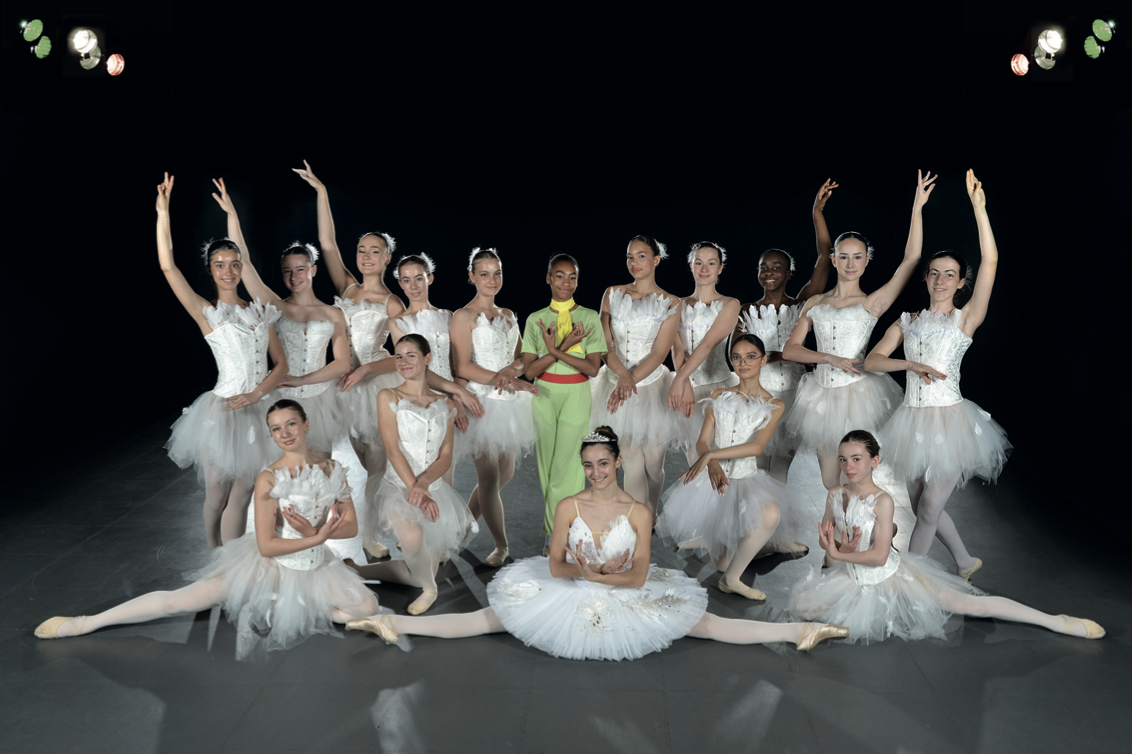
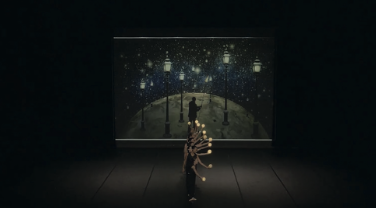
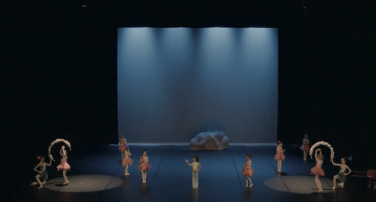
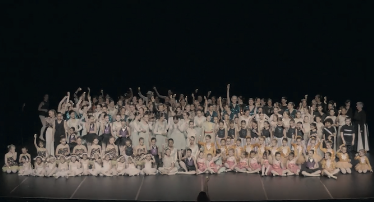
The Little Prince is the project where everything converged. A year spent building a performance from the ground up — with 110 dancers, ranging from beginners to advanced students, all moving together toward a shared artistic vision.
I held four roles simultaneously: choreographer, teacher, stager and artistic director. The challenge was not choreographic complexity — it was human. How do you create coherence across 110 bodies, 110 personal rhythms, 110 different relationships to the stage? The answer, as always, was patience, structure and an absolute clarity about what you are trying to say.
Building a visual language for 110 bodies
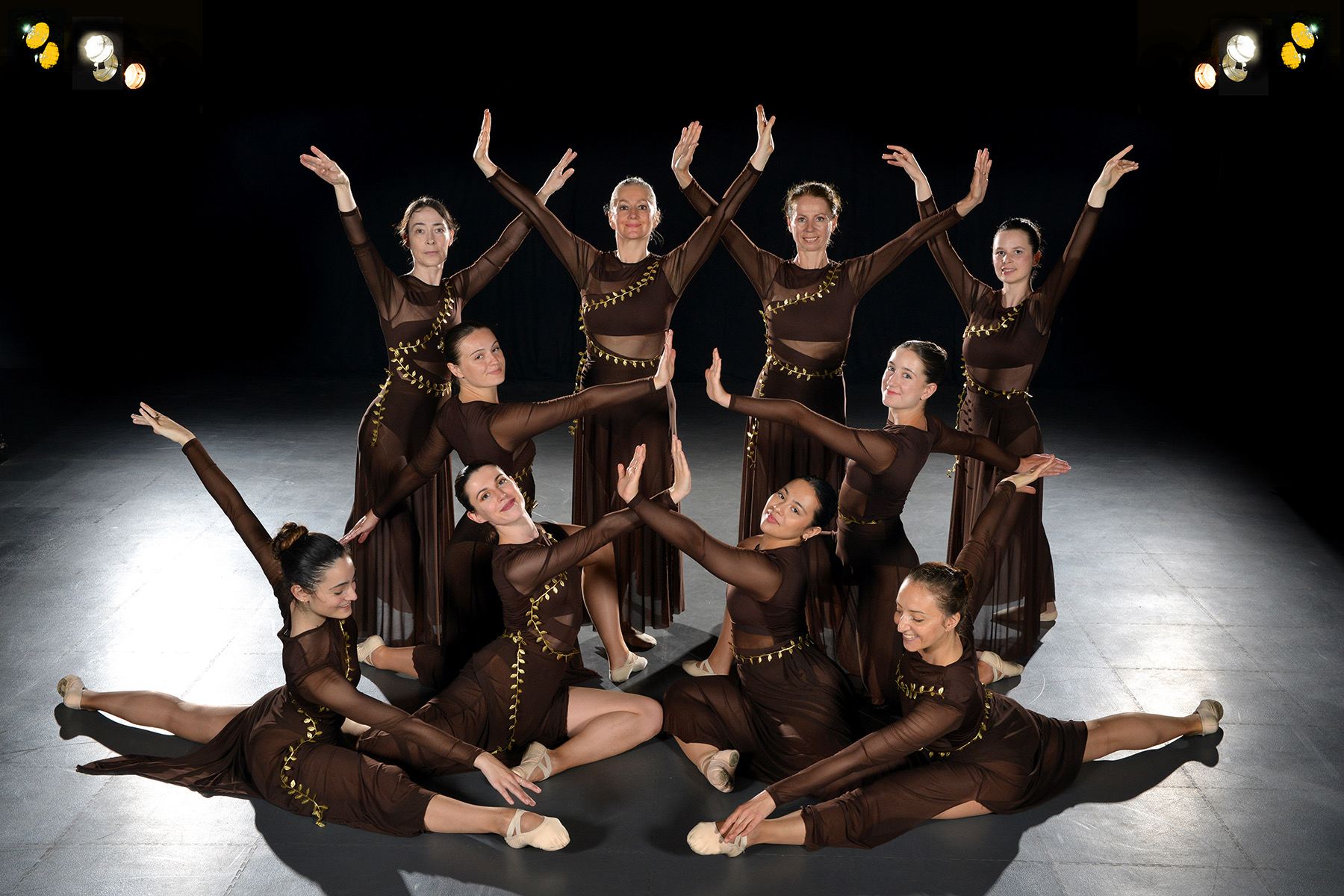
The choreographic logic of The Little Prince is spatial: formations that read from above, transitions that breathe, solos that emerge naturally from the group rather than interrupting it.
Every movement phrase was designed to be teachable — precise enough to be reproduced faithfully, open enough to be inhabited individually. The piece had to work for the most experienced dancer and the most recent beginner. That constraint became the creative engine.
Staging as design thinking
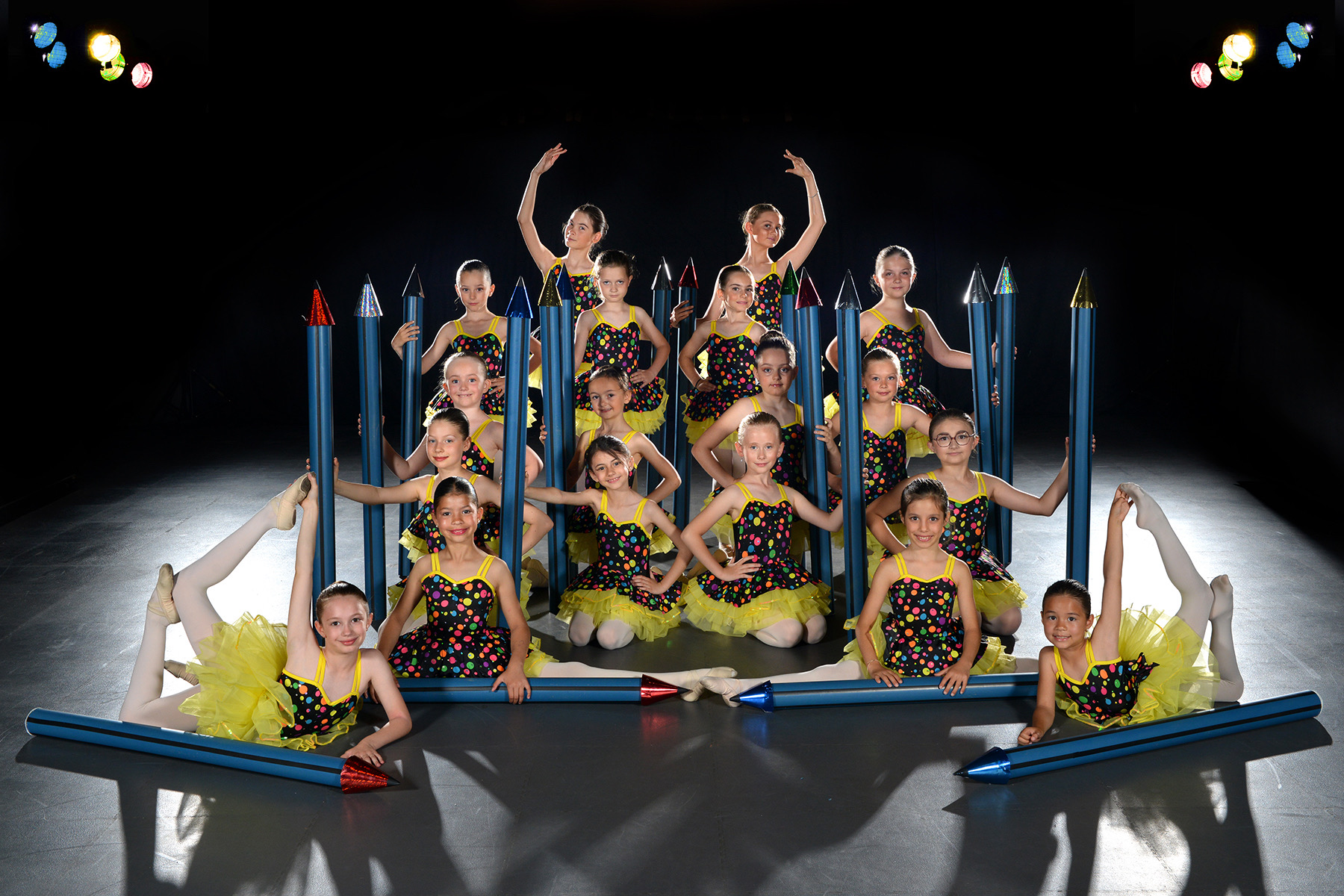
Staging 110 dancers is a design problem. Sight lines, colour, negative space, rhythm between sections — the same principles that guide a screen layout guide a stage picture.
The costumes, lighting and set all carried the same visual logic: restrained, warm, with one moment of deliberate excess that made everything before it feel earned.